
BIOCHAR COMPOST FACT SHEET
Enhancing Composting Efficiency & Soil Health with Biochar
Why Use Biochar in Compost?
Research and case studies from the ANZBIG Farmer’s Guide to Biochar indicate that co-composting with 5-10% biochar improves composting in the following ways:
- Faster breakdown of ligno-cellulosic biomass1,2
- Reduced odour1,2
- Reduced greenhouse gas emissions1,2
- Improve the compost value3 via:
- Increased plant available nutrients & WHC*
- Reduced nutrient leaching
- Reduced loss of nitrogen
- Increased carbon sequestration
* WHC: water holding capacity
Recommended Application Rates
- General Composting: Add 5-10% biochar by volume at the start of compostingbiomass1,2
- High-Nitrogen Composting (e.g., manure): Use up to 15% biochar to stabilize nitrogen
- Field Applications: Apply biochar compost at 5-10 tons per hectare based on soil conditions
How Biochar Benefits Composting
Enhanced Microbial Activity
- High surface area and porosity provides a variety of habitats for beneficial microbes and increases aeration1
- Increased abundance of lignocellulose-degrading thermophilic bacteria e.g. Solibacillus & Actinobacteria2
Reduced odour emissions
- Straw biochars are particularly good at adsorption of ammonia2Biochar particle size 4-10 mm
- reduces methane emissions from
compost piles2.
Nutrient Increase & Soil Remediation
- Straw biochars increase NH3 & NH4+ adsorption (up to 36%more N) and potassium2
- Wood biochar in a biosolids-straw compost increased fulvic and humic acid fractions4
Case Studies from ANZBIG Farmer’s Guide
1.Western Australia – Salt-Affected Soil Remediation1
Challenge: Severe soil salinity impacting plant growth and soil health.
- Solution: Integrated biochar into compost-filled reactive wells and trenches with organic amendments.
- Results: Reduced soil salinity, improved microbial activity, enhanced plant growth, and better water infiltration.
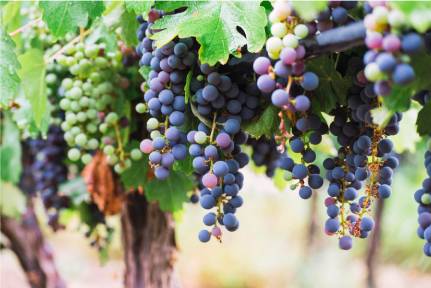
2. California – Vineyards Applications1
Challenge: Soil moisture retention and organic matter improvement.
- Solution: Applied biochar-compost mix at 7 tons per hectare.
- Results: Improved vine growth, 20% higher yield, and better water-use efficiency.
3.Portland, U.S. – Green Roofs and Urban Agriculture1
Challenge: Enhancing water retention, nutrient availability, and runoff
quality in green roofs and urban gardens.
- Solution: Integrated 7% biochar by weight into rooftop soil beds with composts, organics and pumice: improved water storage, reduced nutrient runoff, and enhanced plant growth.
- Results: Increased water retention (up to 100%), improved nutrient cycling, reduced runoff pollution (nitrogen, phosphorus, and heavy metals), and enhanced fire resistance in urban green spaces.


Biochar-Compost for best results
- Incorporate biochar at the beginning of composting for best results5
- Use standard compost spreading equipment for even field application. .
- Adjust biochar levels based on crop and soil requirements.
- Biochar composting:
- improves yields & long-term soil health
- sustainably manages organic waste.
References and Further Reading:
1. Joseph S. &Taylor P (2024). A farmers guide to the production, application and use of biochar, ANZBIG.
2. Melo L, et. al. (2024). Biochar-based fertilizers, co composting, and growing media. In: Biochar for Environmental Management, Lehmann J. and Joseph S. (eds), Routledge (Taylor and Francis).
3. US Biochar Initiative. Biochar in compost: Improve compost and save money. biochar-us.org.
4. Zhang J et al. (2014). The use of biochar-amended composting to improve the humification and degradation of sewage sludge. Bioresource Technology 168: 252.
5. Mikajlo I et al. (2024). Composted biochar versus compost with biochar: effects on soil properties and plant growth. Biochar 6: 85.